
Enclosed cargo trailers that lock, keeping tools, gear and dry freight out of the weather.
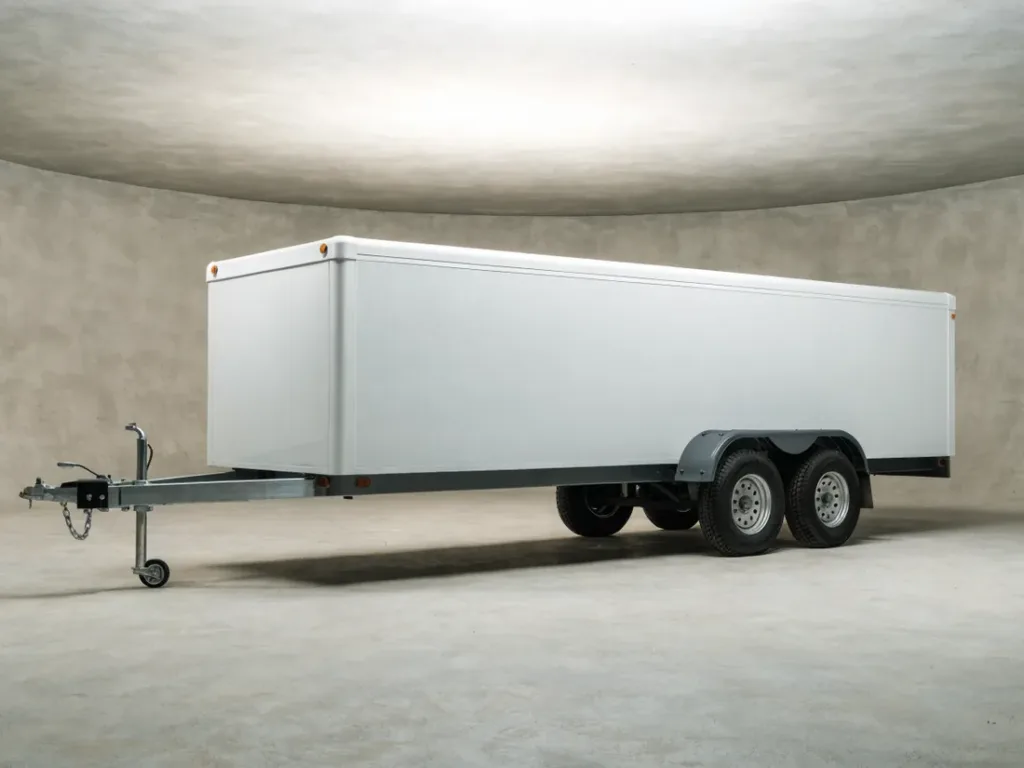
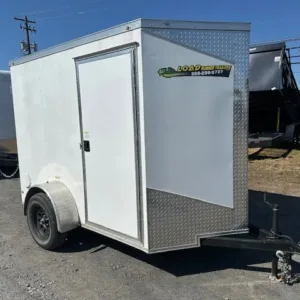
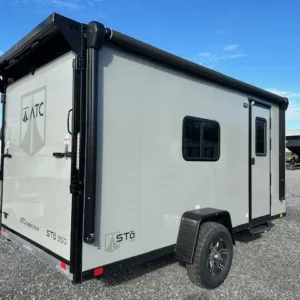
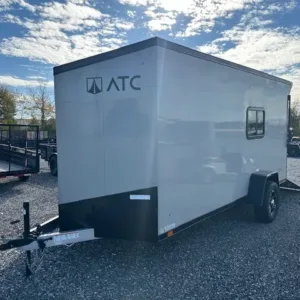
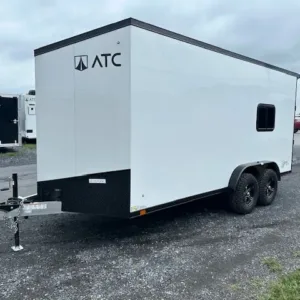
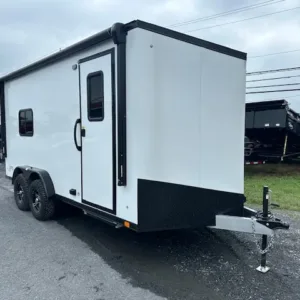

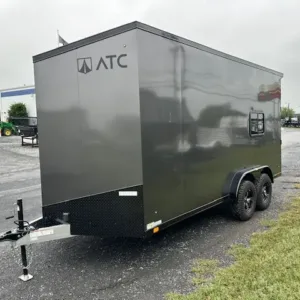
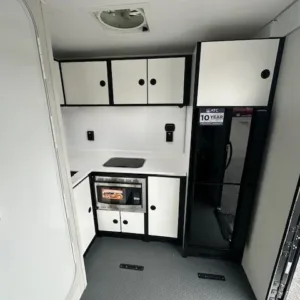
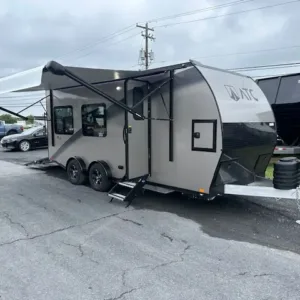
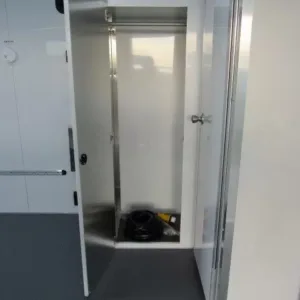
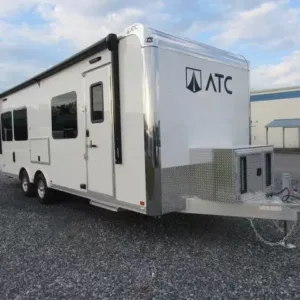
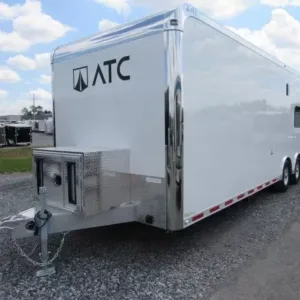
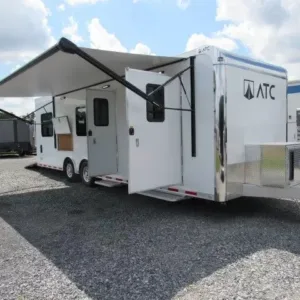
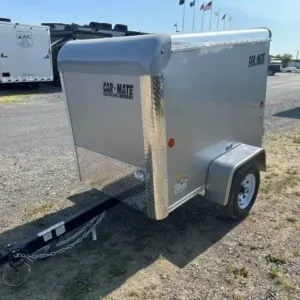
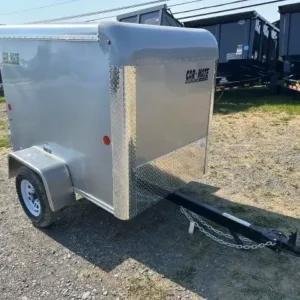
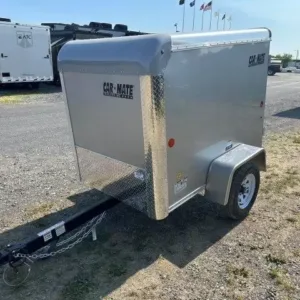
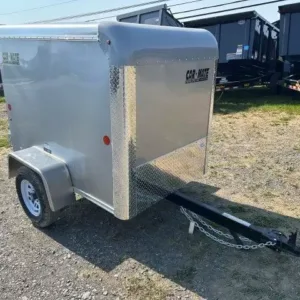
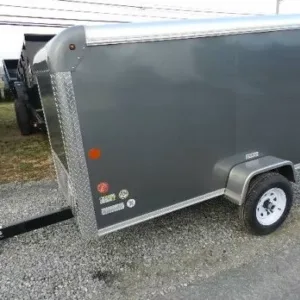
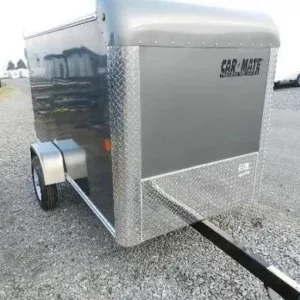
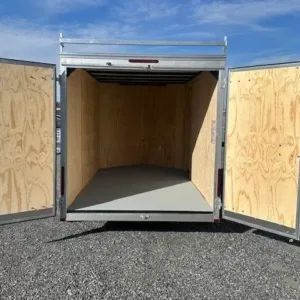
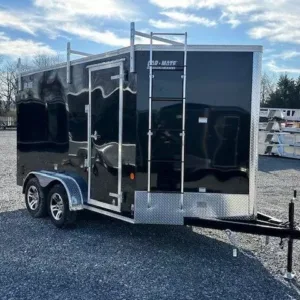
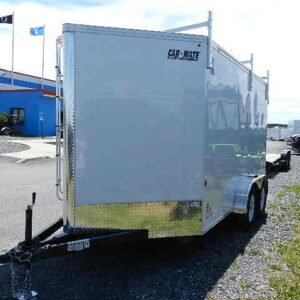
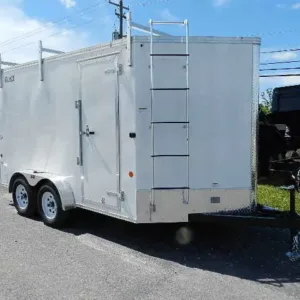
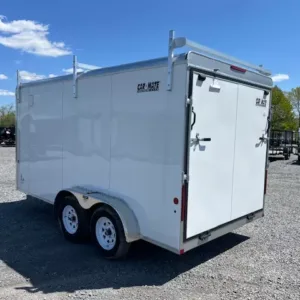
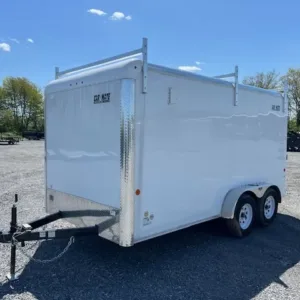
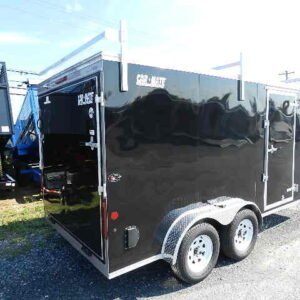
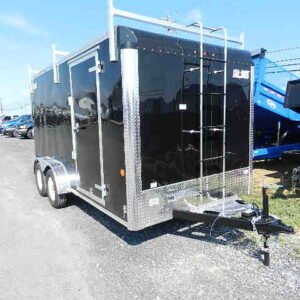
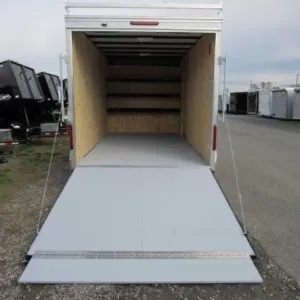
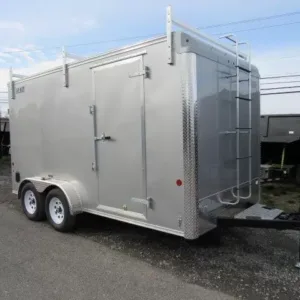
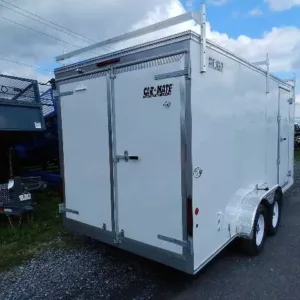
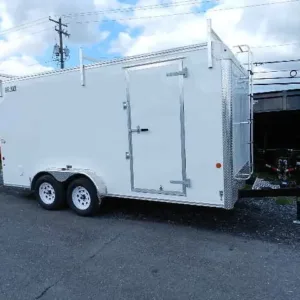
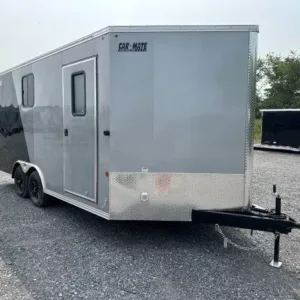
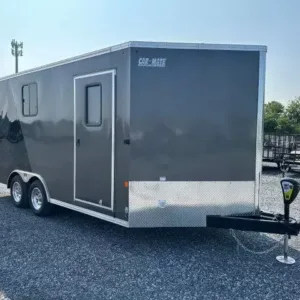
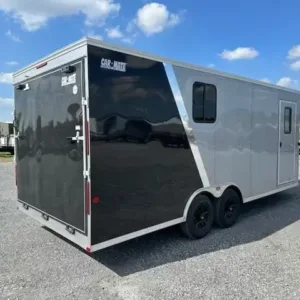
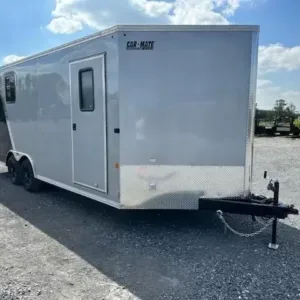
Car Mate 4 x 6 Enclosed Cargo Trailer Single Rear Door (PET-ENC-0082)
$2,299.00


Choosing an enclosed cargo trailer
An enclosed trailer is bought for two reasons: weather and locks. Everything else — interior height, door style, nose shape — follows from what you are putting inside and how often you load it.
Interior height is the specification people most often get wrong. A trailer that measures seven feet at the peak may be well under that at the walls, so if you are rolling a machine in and standing up beside it, check the published interior height rather than the exterior.
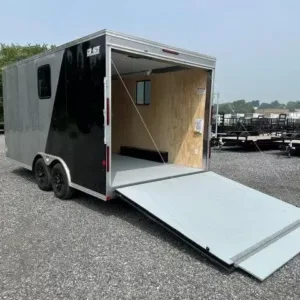
A V-nose adds a little usable length and cuts drag slightly. A ramp door lets you roll a load in; barn doors open in tight spaces and seal simply. Neither is better in general.
Questions worth asking first
Ramp door or barn doors?
A ramp door if you are wheeling anything in — mowers, bikes, carts. Barn doors if you load by hand or park somewhere too tight to swing a ramp down.
Can I tow an enclosed trailer with an SUV?
Often yes, within the vehicle's published tow rating. Enclosed trailers catch crosswind far more than open ones, so leave margin rather than towing at the limit.
Are these weatherproof?
They are weather-resistant and lockable. Manufacturers do not certify them as watertight, so anything that must stay dry in sustained rain belongs in a sealed container inside.